

A Thousand Suns
Provided by: Global Oneness Project|Published on: November 24, 2021|Last updated: July 16, 2026
Grades: 9, 10, 11, 12, AP
Type: Lesson Plans
Subjects: History, Geography
Authors: Stephen Marshall
Location: Africa, North America > United States > New York > New York
This resource has been reviewed by SubjectToClimate's climate scientists and verified for scientific accuracy and up-to-date information. Learn about our review process →
This resource has been reviewed by SubjectToClimate's climate scientists and verified for scientific accuracy and up-to-date information. Learn about our review process →
Synopsis
- This film from the Global Oneness Project explores the juxtaposition between sustainable ways of living by Indigenous people in Africa and the ways of living in the modern world.
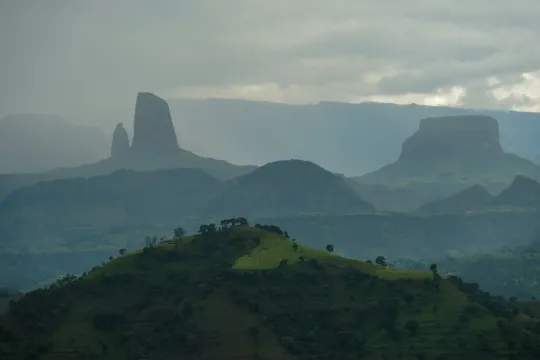
- The film focuses on the people of the Gamo Highlands of Ethiopia in the African Rift Valley.
- There is a content warning on this resource due to the partial nudity of Indigenous people in the video.
Teaching Materials
Positives
- There is an accompanying lesson plan for 9th-12th graders, which also features a Gamo fact sheet and a 32-page discussion guide. The lesson plan is available in English and Spanish.
- The lesson plan, Gamo fact sheet, and discussion guide are detailed and robust, making it easy for the teacher to screen this film and facilitate a discussion.
Prerequisites
- The film briefly features some topless women between 20:30 and 21:40 at the Thousand Stars Festival.
Differentiation & Implementation
- This film is great for English or social studies classes. You can also show this film in a science class when discussing soil, agriculture, or regenerative farming.
- The lesson plan features a mini-debate. One team of students argues that the modern world negatively influences the traditional Gamo culture, while the other team argues that the modern world positively influences the traditional Gamo culture. Another group of students acts as judges of the debate. Make sure to split your students accordingly so that each student can find success in their role.
- History students can discuss the recurrent theme of suppressing indigenous culture throughout history.
- Students can discuss how more and more people treating nature as a resource to be used up can be detrimental to the environment and climate change.
There is not any specific science in this resource to verify. However, it does contain an important message about biodiversity and traditional, sustainable agricultural practices. This resource is recommended for teaching.
Teaching Tips
Standards
Resource Type and Format
Scientist Reviewed
This resource has been reviewed by SubjectToClimate's climate scientists and verified for scientific accuracy and up-to-date information. Our review process ensures that every resource in our library reflects the current state of climate science.
Learn about our review process →