
New Jersey Curriculum Resources (K-6)
Provided by: NJ Agriculture in the Classroom|Published on: May 23, 2024|Last updated: July 16, 2026
Grades: K, 1, 2, 3, 4, 5, 6
Type: Articles/Websites
Subjects: Science, Social Studies
Authors: NJ Agriculture in the Classroom
Location: North America, North America > United States, North America > United States > New Jersey

This resource has been reviewed by SubjectToClimate's climate scientists and verified for scientific accuracy and up-to-date information. Learn about our review process →
This resource has been reviewed by SubjectToClimate's climate scientists and verified for scientific accuracy and up-to-date information. Learn about our review process →
Synopsis
- This webpage includes several resources to teach elementary students about New Jersey's agriculture, including a fact sheet, a video introducing students to three New Jersey Farms, two websites from the Department of Agriculture for education, and an E-book detailing the popular crops grown in New Jersey.
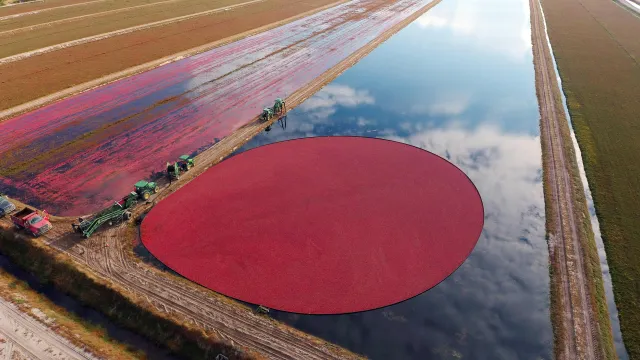
- Students will see farms in Sussex, Tabernacle, and Pedrickstown, learn about sweet corn from Salem, Burlington, and Gloucester counties, and become familiar with various New Jersey-grown foods.
- The K-6 resources are in the upper right of the page.
Teaching Materials
Positives
- Students will love hearing from young farmers they can relate to in the video.
- The resources are easy to navigate and understand.
Additional Prerequisites
- The e-book and the New Jersey State Ag Facts are primarily for older elementary students to read on their own; you should read them aloud for younger students.
- It may help students to understand how plants grow and what they need to survive.
Differentiation
- Teachers can make community connections by organizing a field trip to a local farm.
- Students can taste-test locally grown foods such as blueberries, tomatoes, bell peppers, peaches, cranberries, and sweet corn.
- During writing, students can practice persuasive skills by writing advertisements for locally-grown fruits and vegetables.
- Students can read the book in groups, with each reading about a different locally-grown crop and sharing their learning with the class.
- Teachers can use the section about bees in the e-book to introduce the role of bees as pollinators and the impacts they face due to climate change.
- After watching the video about the three farms and the ways they have innovated, teachers can discuss ways farmers are innovating to protect the environment and mitigate climate change impacts.
This webpage contains a collection of resources related to agriculture and farming in New Jersey. Many of these resources relate to climate change, whether it is explicitly mentioned or not. Teachers can find specific climate change and agriculture lessons using the search function. This resource is recommended for teaching.
Teaching Tips
Standards
Resource Type and Format
Scientist Reviewed
This resource has been reviewed by SubjectToClimate's climate scientists and verified for scientific accuracy and up-to-date information. Our review process ensures that every resource in our library reflects the current state of climate science.
Learn about our review process →