

Weekly Atmospheric CO2 at Mauna Loa
Provided by: University of Oslo|Published on: April 27, 2021|Last updated: July 16, 2026
Grades: 6, 7, 8, 9, 10, 11, 12
Type: Videos
Subjects: Earth and Space Sciences
Authors: University of Oslo
Location: Earth, North America, North America > United States, North America > United States > Hawaii
This resource has been reviewed by SubjectToClimate's climate scientists and verified for scientific accuracy and up-to-date information. Learn about our review process →
This resource has been reviewed by SubjectToClimate's climate scientists and verified for scientific accuracy and up-to-date information. Learn about our review process →
Synopsis
- This short animated video shows the atmospheric concentration of carbon dioxide from 2007-2021.
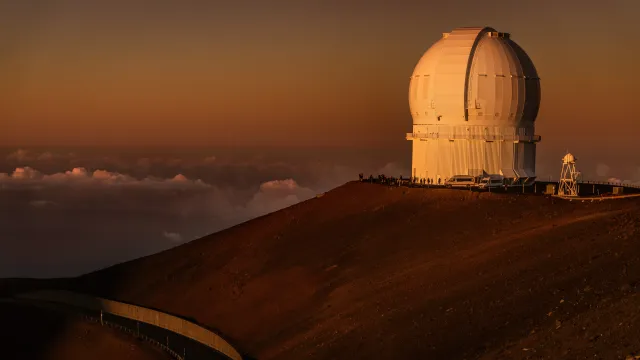
- These measurements were taken at the Mauna Loa Observatory in Hawai'i.
Teaching Materials
Positives
- The lines on this animated graph build on each other, showing exactly how much atmospheric carbon dioxide has increased in recent years.
Additional Prerequisites
- Students should have a basic understanding of climate change and the greenhouse effect.
- Students should know that carbon dioxide is the greenhouse gas most responsible for global heating.
- Scientist Charles David Keeling began measuring atmospheric carbon dioxide at the Mauna Loa Observatory in Hawaii in 1958.
Differentiation
- This would be a great video to show at the beginning of a lesson on climate change. It may be powerful to show this video before explaining the context. You can have students write down three "noticings" and three "wonderings" about this video.
- You can ask students about the average increase per year and see if they can figure out how decomposition and photosynthesis affect the level of CO2 throughout the year.
- Students can access real time data from NOAA to see current levels of atmospheric carbon dioxide.
Using empirical data from the Mauna Loa observatory, this 31-second video shows both the annual cycle of carbon dioxide as well as the continued yearly increases in atmospheric carbon dioxide concentration. This resource is recommended for teaching.
Teaching Tips
Standards
Resource Type and Format
Scientist Reviewed
This resource has been reviewed by SubjectToClimate's climate scientists and verified for scientific accuracy and up-to-date information. Our review process ensures that every resource in our library reflects the current state of climate science.
Learn about our review process →