
Wind, Solar, and Climate Change
Provided by: MIT Environmental Solutions Initiative|Published on: April 27, 2021|Last updated: July 16, 2026
Grades: 9, 10, 11, 12
Type: Lesson Plans
Subjects: Earth and Space Sciences
Authors: MIT Environmental Solutions Initiative
Location: Earth, North America, North America > United States
This resource has been reviewed by SubjectToClimate's climate scientists and verified for scientific accuracy and up-to-date information. Learn about our review process →
This resource has been reviewed by SubjectToClimate's climate scientists and verified for scientific accuracy and up-to-date information. Learn about our review process →
Synopsis
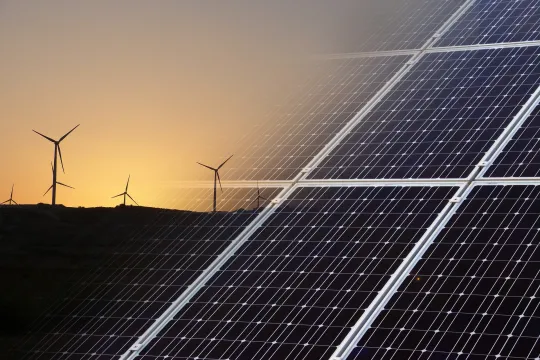
- This resource describes the benefits and challenges of wind and solar power, the basics of wind and solar, and how both have become much more energy efficient, reliable, and cost-competitive.
- An educator guide is included with discussion questions, class activities, and student readings.
Teaching Materials
Positives
- The materials included make it easy for educators to adapt this resource for use in many subject areas.
- The maps of where solar and wind are the most plentiful in the United States could be great for students learning geography.
Additional Prerequisites
- The podcast uses some vocabulary terms such as kinetic energy, electric grid, and transmission infrastructure.
Differentiation
- Try having students conduct the energy storage research project as an extension activity.
- Check out the "dive deeper" tab of the podcast for more resources related to wind and solar technologies.
- The graphs could be used in math and science classes for lessons about dependent and independent variables.
- Other resources that could support this resource include this e-book about renewables and this lesson plan about renewable energy sources.
This resource includes a podcast in which an MIT expert is interviewed and presents an overview of wind and solar renewable technologies, and the ways in which costs are calculated. This resource covers a wide range of topics, including energy storage, consumer demand, and specific solar and wind technologies. A transcript and educator's guide, along with additional resource links, are provided. This resource is recommended for teaching.
Teaching Tips
Standards
Resource Type and Format
Scientist Reviewed
This resource has been reviewed by SubjectToClimate's climate scientists and verified for scientific accuracy and up-to-date information. Our review process ensures that every resource in our library reflects the current state of climate science.
Learn about our review process →