
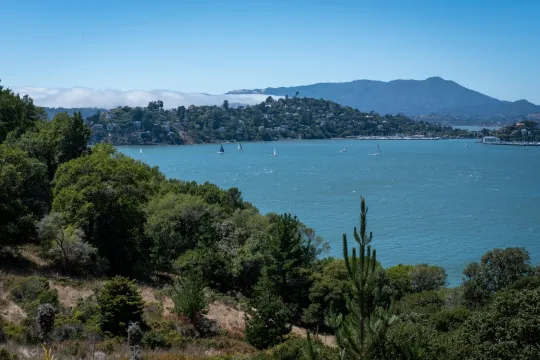
Working With Nature to Protect Agricultural Regions
Provided by: Union of Concerned Scientists|Published on: December 11, 2025|Last updated: July 16, 2026
Grades: 9, 10, 11, 12, AP
Type: Scientific Reports
Subjects: Biology, Earth and Space Sciences
Authors: Union of Concerned Scientists
Location: North America > United States > California

This resource has been reviewed by SubjectToClimate's climate scientists and verified for scientific accuracy and up-to-date information. Learn about our review process →
This resource has been reviewed by SubjectToClimate's climate scientists and verified for scientific accuracy and up-to-date information. Learn about our review process →
Synopsis
- This report from the Union of Concerned Scientists provides a variety of nature-based solutions that can address issues like pollution, habitat fragmentation, flooding, and other issues in California's agricultural regions.
- Students will familiarize themselves with floodplain restoration, constructed wetlands, green spaces, agricultural practices, and other solutions that may address California's environmental issues and provide additional benefits.
Teaching Materials
Positives
- Seeing the co-benefits of these solutions, students will develop an understanding of the common theme of interconnectedness.
- Having such a long list of solutions that can potentially benefit California's agricultural areas is great for students in the region to have hope for the future.
Prerequisites
- Students should be familiar with the impacts of climate change and human activity.
- Students should understand the importance of biodiversity.
Differentiation & Implementation
- The online, condensed version is great for readers with lower reading stamina, while advanced readers can read the PDF for a challenge.
- After reading the report once, teachers and students can discuss problems in their local area that could possibly be addressed with a nature-based solution. Then, students can engage in a close read of the report, determining which solution best suits their area's problem.
- Teachers can pair the section on green spaces and living infrastructure with this lesson to make connections to environmental justice.
- Teachers can pair the section on agricultural practices with this video to show students examples of these solutions in action.
- Teachers with limited time can break this report into sections, using a jigsaw method to assign student groups to read different parts of the report.
- To make connections to the Sustainable Development Goals, teachers can highlight that these solutions often address more than one of the SDGs. Students can identify the SDGs addressed in each solution.
This resource discusses nature-based solutions for some of California’s climate and environmental problems. These solutions prioritize working with the natural systems in our environment to use solutions that benefit both humans and the environment. A shorter online summary and a complete downloadable report are available. Both were reviewed, and teachers can decide which one is best suited for their class and lesson. The information presented is accurate, and this resource is recommended for teaching.
Teaching Tips
Standards
Resource Type and Format
Scientist Reviewed
This resource has been reviewed by SubjectToClimate's climate scientists and verified for scientific accuracy and up-to-date information. Our review process ensures that every resource in our library reflects the current state of climate science.
Learn about our review process →