
Is Meat Really That Bad?
Provided by: Kurzgesagt - In a Nutshell|Published on: April 27, 2021|Last updated: July 16, 2026
Grades: 9, 10, 11, 12
Type: Videos
Subjects: Biology, Earth and Space Sciences
Authors: Kurzgesagt - In a Nutshell
Location: Earth
This resource has been reviewed by SubjectToClimate's climate scientists and verified for scientific accuracy and up-to-date information. Learn about our review process →
This resource has been reviewed by SubjectToClimate's climate scientists and verified for scientific accuracy and up-to-date information. Learn about our review process →
Synopsis
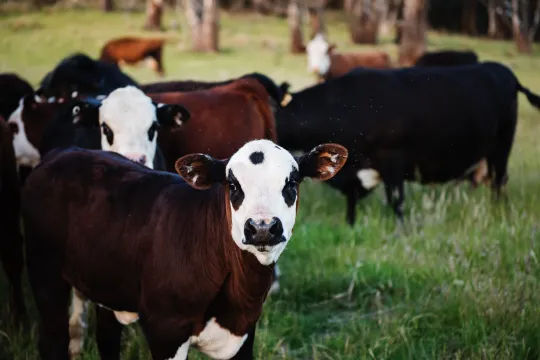
- This video is mainly about beef production, the footprints of various foods, and agricultural land requirements to produce various foods.
- It concludes that beef can be produced in a variety of ways with differing impacts on the climate, but will always produce more emissions than a vegetarian or vegan diet.
Teaching Materials
Positives
- The video does not shame the viewer for their food choices but empowers individuals to make informed decisions based on one's own knowledge.
- It dispels common misconceptions about beef production and addresses misleading marketing campaigns.
Prerequisites
- Students should understand climate change, the greenhouse gas effect, and what the different greenhouse gases are.
Differentiation & Implementation
- Students can use the Foodprint Calculator to determine their diet's annual environmental impact.
- Students who are inspired to take action can start a Meatless Mondays campaign.
- Other resources on this topic include The Diet that Helps Fight Climate Change and Environmental Impacts of Food Data Explorer.
As an individual, consuming meat, particularly beef, is one of our biggest contributions to climate change. There is also a lot of misleading marketing out there in regards to the carbon footprint of various ways in which beef is produced. This video dispels some of these myths and talks about the carbon cost of beef. This resource is recommended for teaching.
Teaching Tips
Standards
Resource Type and Format
Scientist Reviewed
This resource has been reviewed by SubjectToClimate's climate scientists and verified for scientific accuracy and up-to-date information. Our review process ensures that every resource in our library reflects the current state of climate science.
Learn about our review process →